 GOOD
GOOD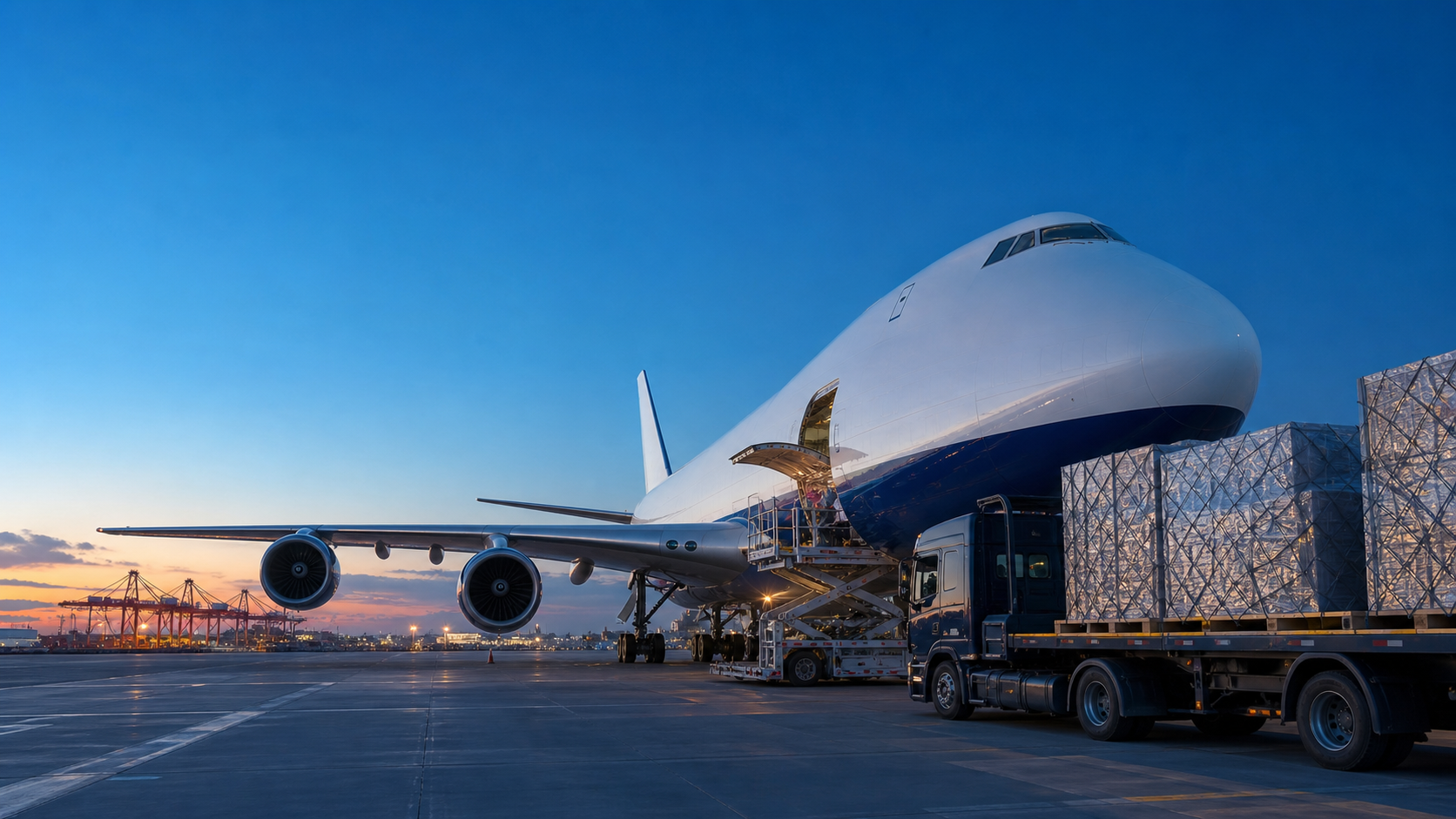
When importing from China to the USA, the best shipping method is rarely decided by a single headline price. Air freight is usually selected for time-sensitive, compact, higher-value cargo. Sea freight is generally better for larger, heavier or less urgent replenishment. The right choice depends on cargo readiness, chargeable weight, destination handling and the cost of arriving late.
Choose air freight when a delay creates a measurable stock-out or launch risk. Choose sea freight when inventory can move on a planned cycle and unit economics matter more than speed.
Air freight vs sea freight: the short answer
Start with four facts: product type, carton count and dimensions, cargo-ready date, and US delivery city. A freight forwarder can then compare a door-to-door air option with LCL or FCL ocean service on the same basis. This prevents a common mistake: comparing a port-to-port sea quote with an all-in air quote and assuming the cheaper-looking number is the lower landed cost.
Neither mode removes the need for accurate product information, export documents, customs compliance or final-mile delivery planning. A reliable quote explains what is included and which shipment assumptions could change the price.
What should be compared before you book?
Your true deadline, not just the requested delivery date
Ask when the cargo must be available at the warehouse, store, Amazon receiving point or customer site. Then work backward. Allow time for factory completion, shipment inspection, booking, pickup, export handling, the main transport leg, customs processing and domestic delivery.
Chargeable weight versus cargo volume
Air freight is commonly priced by the greater of actual gross weight and volumetric weight. Light, bulky cartons can cost far more by air than their scale weight suggests. During shipment inspection, record outer-carton dimensions, carton count and total gross weight before finalizing a rate comparison.
Freight cost is not landed logistics cost
Compare pickup, export handling, documentation, main freight, destination charges, customs coordination and final delivery. A low ocean line item can lose its advantage if cargo misses a retail cycle or final delivery has not been arranged.
Need a comparable shipping plan?
Share your carton data and US destination.
When air freight is the better business choice
Air freight is worth considering for urgent replenishment, time-sensitive launches, samples, spare parts and compact high-value cargo. A useful hybrid approach is to split the order: send priority cartons by air, while the remaining volume moves by sea.
- Urgent replenishment: protect sales when a proven SKU approaches stock-out.
- Launch inventory: support a fixed campaign, trade show or customer delivery commitment.
- Production recovery: use a controlled catch-up plan after a late quality correction.
For an accurate quote, provide product details, carton dimensions, gross weight, pickup city, US destination and cargo-ready date. Disclose batteries, liquids, magnets, wood packaging or branded goods early because they can affect route acceptance and documentation.
When sea freight is the better business choice
Sea freight is usually best when the buyer can plan inventory ahead and benefit from lower transport cost per unit. It suits furniture, home goods, machinery parts, consumer products and multi-carton replenishment orders.
LCL or FCL?
LCL can work when the shipment does not justify a dedicated container. FCL gives one shipper control of container space and becomes attractive when volume, loading method and receiving capacity justify it. In either case, check final carton measurements, packing list, shipping marks and receiving requirements before collection.
A decision framework your purchasing team can use
| Question | Likely direction |
|---|---|
| Will a delay create measurable sales or production loss? | Compare air and a split shipment. |
| Is cargo bulky relative to its value? | Compare LCL or FCL first. |
| Can demand be forecast and replenished in advance? | Sea freight is often suitable. |
| Are only a few cartons needed immediately? | Air for priority cartons; sea for the balance. |
For repeat importers, keep one version-controlled shipment brief: final invoice, packing list, carton photos, inspection notes, delivery address and approved quote scope. This creates a better decision model than relying on generic transit-time claims.
Frequently asked questions
Is air freight always faster than sea freight from China to the USA?
For the main transport leg, yes. Door-to-door timing still depends on readiness, export handling, customs processing and US delivery arrangements.
Can I use air freight for only part of my order?
Yes. A priority split shipment is common when launch inventory or replacement stock is needed quickly.
What information is needed for an accurate comparison?
Share the product description, carton count, dimensions, gross weight, pickup city, US delivery city, ready date and special-product details.
Conclusion
Air and sea freight solve different business problems. Air protects time; sea protects unit economics. The strongest choice comes from verified cargo measurements, a realistic ready date and an all-in delivery scope that matches the buyer’s receiving plan.